📋 Schema Markup for AI Overviews: Research-Backed Implementation
Stop implementing blindly. This comprehensive schema markup for AI Overviews guide analyzed controlled experiments and 50,000+ queries to prove exactly how schema affects AI Overview visibility. Position #1 with well-implemented schema appeared in AI Overviews. Pages without proper schema weren’t even indexed. Complete implementation strategies by schema type with realistic expectations.
📑 Table of Contents
- What the Research Reveals About Schema Markup AI Overviews
- The Current State: What the Numbers Tell Us
- Why Schema Matters for AI Systems
- Which Schema Types Actually Matter for AI Overviews
- Implementing Schema Markup: The Right Way
- Testing and Validating Your Schema
- Real-World Performance Data
- The AI Overview CTR Reality
- Schema Markup Within Your Broader AI Strategy
- Format Considerations: JSON-LD vs. Microdata
- What Google Says vs. What Testing Shows
- Future-Proofing with Schema Markup
- Implementation Roadmap: Where to Start
- Measuring Schema Impact on AI Visibility
- Frequently Asked Questions
- What’s Next: The Evolving Role of Schema
- The Bottom Line
If your traffic dropped after Google rolled out AI Overviews, you’re not imagining things. Many sites experienced sudden drops when AI-generated answers started appearing above traditional search results. The question is: how do you get your content cited in these AI summaries?
The answer lies in something most website owners overlook—schema markup for AI Overviews. But here’s what matters: this isn’t about gaming the system. It’s about helping AI systems accurately understand and reference your content. Let me show you what the research actually says about schema markup AI Overviews optimization and how implementing the right schema markup for AI Overviews can transform your visibility.
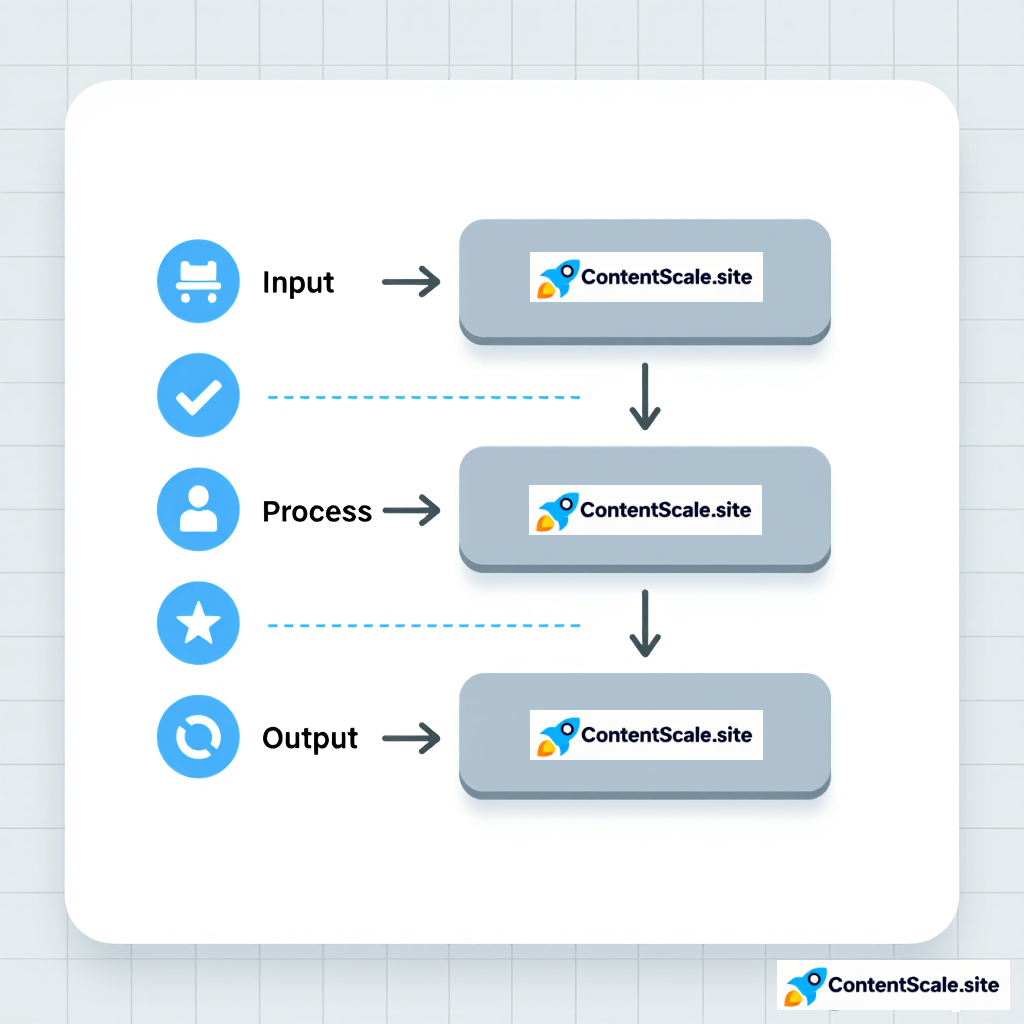
Example of well-implemented schema markup structure for AI Overview optimization
What the Research Reveals About Schema Markup AI Overviews
In September 2025, two SEO researchers conducted a controlled experiment that provided the clearest evidence yet about schema markup for AI Overviews. They built three identical single-page sites with one key difference: schema markup quality.
- Well-implemented schema markup for AI Overviews: Appeared in AI Overview, ranked #3 for 6 keywords
- Poorly-implemented schema markup: Ranked for 10 keywords but no AI Overview appearance
- No schema markup: Not indexed by Google at all
This wasn’t a massive study, but it was carefully controlled. The researchers used identical keyword difficulty (KD 3), search volume (60/month), and content structure. The only variable was schema quality. And the results were striking—only the page with proper schema markup for AI Overviews appeared in the AI Overview.
But before you rush to implement schema everywhere, understand this: correlation doesn’t guarantee causation. An earlier analysis of 100 healthcare sites found a slight correlation between schema use and AI Overview visibility, but it wasn’t statistically significant. The relationship exists, but it’s one factor among many when implementing schema markup for AI Overviews.
The Current State: What the Numbers Tell Us
Schema Markup Adoption Gap
|
72.6%
First-Page Results Use Schema
|
30%
All Sites Use Schema
|
42.6% Opportunity Gap
Most sites still don’t implement proper schema markup for AI Overviews
As of October 2025, here’s what we know from industry data about schema markup for AI Overviews:
- 45 million domains are using schema markup globally (Schema.org, 2024)
- 72.6% of first-page Google results use schema markup (Backlinko research)
- Only 30% of all websites implement schema—leaving a 70% opportunity gap for schema markup AI Overviews optimization
- 36.6% of searches show at least one rich snippet derived from schema markup
- 88.1% of AI Overview queries are informational in nature, making schema markup for AI Overviews particularly valuable
Microsoft’s Principal Product Manager, Fabrice Canel, stated in March 2025 that “Schema Markup helps Microsoft’s LLMs understand content.” Google’s documentation echoes this, emphasizing that structured data provides “explicit clues about the meaning of a page” – a key principle for effective schema markup for AI Overviews.
Why Schema Matters for AI Systems
AI Overviews don’t work like traditional search. Instead of matching keywords to pages, they synthesize information from multiple sources to create direct answers. Schema markup for AI Overviews makes this process more efficient by:
1. Improving Content Parsing
When AI systems crawl your page, they need to understand what each element means. Is that text a product price or a date? Is this section a FAQ or a testimonial? Schema markup for AI Overviews provides explicit labels that eliminate ambiguity.
2. Enabling Entity Recognition
AI tools use entity recognition to distinguish “Amazon the company” from “the Amazon rainforest.” Schema markup for AI Overviews defines entities clearly—your brand, products, authors, locations—making it easier for AI to reference you accurately.
3. Building Trust Signals
A well-marked-up site signals authority to search engines. When you properly implement schema markup for AI Overviews, you’re essentially saying, “This is exactly what this content represents, and I’m confident enough to label it explicitly.”
Which Schema Types Actually Matter for AI Overviews
Not all schema types are created equal for schema markup AI Overviews optimization. Based on current AI Overview patterns and Google’s own documentation, these six types show the strongest correlation with AI citations for your schema markup for AI Overviews strategy:
1. FAQ Schema
Best for: Information-heavy pages, how-to content, educational articles
Why it works: 88.1% of AI Overview queries are informational—exactly what FAQs answer, making this essential for schema markup for AI Overviews
2. Article Schema
Best for: Blog posts, news articles, thought leadership
Why it works: Provides clear authorship, publication dates, and article structure that AI systems rely on in schema markup for AI Overviews
3. Product Schema
Best for: E-commerce sites, product pages, comparison content
Why it works: Enables detailed product information extraction for shopping queries in your schema markup for AI Overviews implementation
4. HowTo Schema
Best for: Step-by-step guides, tutorials, instructional content
Why it works: Structures procedural information in the exact format AI summaries use, crucial for schema markup for AI Overviews
5. Breadcrumb Schema
Best for: All pages with hierarchical structure
Why it works: Helps AI understand content relationships and site architecture in schema markup for AI Overviews
6. LocalBusiness Schema
Best for: Service businesses, physical locations
Why it works: Critical for local AI Overview queries with geographic intent in schema markup for AI Overviews
Implementing Schema Markup: The Right Way
Based on the September 2025 controlled experiment, here’s what “well-implemented schema markup for AI Overviews” actually means:
Required Elements for Article Schema
- Complete Article schema with all required fields (headline, author, datePublished) for effective schema markup for AI Overviews
- Proper date formatting (ISO 8601 format: YYYY-MM-DD)
- Author and publisher information with structured Person/Organization types
- Word count and reading time estimates
- Related topics and entity mentions to enhance your schema markup for AI Overviews
FAQ Schema Best Practices
FAQ schema structure: proper Question and Answer implementation for schema markup for AI Overviews
FAQ schema JSON-LD code example ready to implement for schema markup for AI Overviews
Common Implementation Mistakes to Avoid
The September 2025 experiment deliberately introduced these errors in the “poor schema” page to test their impact on schema markup for AI Overviews:
- Incomplete required fields: Missing headline, author, or datePublished in Article schema for schema markup for AI Overviews
- Incorrect date formats: Using “Oct 14, 2025” instead of “2025-10-14”
- No FAQ schema despite FAQ content: Having Q&A on the page but not marking it up in your schema markup for AI Overviews
- Missing breadcrumb navigation: No breadcrumb schema even with visible breadcrumbs
- Schema-content mismatch: Marking up content that doesn’t exist on the page
Schema validation workflow: testing and verifying implementation for schema markup for AI Overviews
Testing and Validating Your Schema
Implementation is only half the battle for schema markup AI Overviews success. Validation ensures your markup is both technically correct and eligible for enhanced features in your schema markup for AI Overviews strategy:
- Google’s Rich Results Test: Enter your URL or code to check for errors and preview rich result eligibility for your schema markup for AI Overviews
- Schema.org Validator: Validates proper syntax and catches technical errors in your markup
- Google Search Console: Monitor structured data issues and track enhancement status over time for your schema markup for AI Overviews
- URL Inspection Tool: See exactly how Google interprets your schema when crawling
A 2025 industry study found that FAQ rich results achieved an 87% click-through rate when properly implemented and validated. But here’s the key: proper validation is what separates “implemented” from “implemented correctly” in your schema markup for AI Overviews strategy.
Real-World Performance Data
Let’s look at what happens when sites implement schema markup for AI Overviews correctly. These findings come from Schema App’s January 2025 quarterly business reviews about schema markup for AI Overviews:
- Significant CTR increases when rich results are awarded to pages with proper schema
- Review snippets and product rich results consistently drive more clicks than standard listings with schema markup for AI Overviews
- Rich results get 58% of clicks compared to 41% for non-rich results (Search Engine Journal)
- Featured snippets have 42.9% CTR—the highest of any SERP feature, achievable with proper schema markup for AI Overviews
The AI Overview CTR Reality
Before you implement schema solely for AI Overview visibility, understand what the CTR data actually shows. According to Google’s own statements, clicks from AI Overviews are “higher quality”—users spend more time on site. But AI Overviews also take up 42% of the desktop screen and 48% on mobile, pushing traditional results down.
This creates a paradox: you need to appear in AI Overviews to get visibility, but appearing there might reduce your click volume. The solution? Structure your content with the 45-50 word micro-answer formula that provides value in the AI Overview while creating curiosity that drives clicks with your schema markup for AI Overviews.
Schema Markup Within Your Broader AI Strategy
Schema markup AI Overviews optimization is one piece of your AI visibility puzzle. It works best when combined with:
- GRAAF Framework implementation: Generate, Refine, Align, Analyze, and Format content specifically for AI systems alongside your schema markup for AI Overviews
- Understanding AI Overview triggers: Know which query patterns trigger AI Overviews in your niche
- Measuring real impact: Use proper tracking methods to see how AI Overviews affect your traffic
- Comparing features: Understand how AI Overviews differ from featured snippets
- Technical SEO foundation: Fix issues revealed by Google Search Console hidden metrics
Format Considerations: JSON-LD vs. Microdata
Google supports three structured data formats—JSON-LD, Microdata, and RDFa—but explicitly recommends JSON-LD because it’s:
- Easier to implement: Add it to the header without touching HTML structure for your schema markup for AI Overviews
- Simpler to maintain: All markup in one place, separate from visible content
- Less error-prone: Reduces the risk of breaking layout or missing closing tags in schema markup for AI Overviews
- Scalable: Can be generated programmatically across thousands of pages
JSON-LD is now the most widely adopted format for structured data globally, favored for its compatibility with modern web technologies and CMS platforms, making it ideal for schema markup for AI Overviews.
What Google Says vs. What Testing Shows
Google’s official stance in their May 2025 blog post “Top ways to ensure your content performs well in Google’s AI experiences” states:
“Structured data is useful for sharing information about your content in a machine-readable way that our systems consider and makes pages eligible for certain search features and rich results. If you’re using structured data, be sure to follow our guidelines.”
Notice the careful language: “consider” and “eligible for”—not “guarantee.” This aligns with the September 2025 experimental results showing schema as a significant factor but not the only one in schema markup for AI Overviews.
Future-Proofing with Schema Markup
As search evolves toward AI-first experiences, schema markup AI Overviews optimization becomes increasingly valuable because it:
- Creates a reusable semantic data layer that works across all AI platforms—not just Google with your schema markup for AI Overviews
- Prepares content for voice search where structured information is critical
- Enables internal AI initiatives by making your content machine-readable
- Builds a content knowledge graph that defines entity relationships across your site with schema markup for AI Overviews
According to Gartner’s 2024 AI Mandates for the Enterprise Survey, the biggest barrier to successful AI implementation is data availability and quality. By implementing robust schema markup for AI Overviews, you’re solving this problem proactively.
Implementation Roadmap: Where to Start
Don’t try to implement schema across your entire site overnight. Follow this prioritized approach for your schema markup for AI Overviews:
Phase 1: High-Impact Pages (Week 1-2)
- Homepage with Organization schema
- Top 10 performing blog posts with Article and FAQ schema for schema markup for AI Overviews
- Key product/service pages with appropriate schema types
- About page with breadcrumb and Person/Organization schema
Phase 2: Content Expansion (Week 3-4)
- All blog content with Article schema
- FAQ pages with FAQPage schema for schema markup for AI Overviews
- How-to content with HowTo schema
- Category and archive pages with breadcrumb schema
Phase 3: Advanced Implementation (Month 2)
- Product catalog with detailed Product schema
- Local business information with LocalBusiness schema
- Event pages if applicable
- Video content with VideoObject schema for comprehensive schema markup for AI Overviews
Phase 4: Optimization and Monitoring (Ongoing)
- Regular validation checks (monthly minimum) for your schema markup for AI Overviews
- Search Console enhancement monitoring
- Performance tracking: impressions, CTR, AI Overview appearances
- Schema updates when content changes
Download our 8-Week AI Optimization Roadmap for a detailed timeline for your schema markup for AI Overviews implementation.
Measuring Schema Impact on AI Visibility
Traditional metrics don’t fully capture schema’s impact on AI Overviews. Track these instead for your schema markup for AI Overviews:
- AI Overview appearances: Manually search your key terms weekly and document when your site appears
- Rich result impressions: Check Search Console for enhanced presentation metrics
- Citation tracking: Note when your brand/content is cited in AI-generated answers with your schema markup for AI Overviews
- Click quality metrics: Time on site and pages per session from AI Overview traffic
- Position in AI Overviews: Are you the primary source or a secondary citation?
Run before-and-after diagnostics to measure the actual impact of your schema markup for AI Overviews implementation.
Frequently Asked Questions
Does schema markup guarantee AI Overview placement?
A: No. Schema markup for AI Overviews improves your chances by helping AI systems understand your content, but placement depends on multiple factors including content quality, topical authority, and existing rankings. Controlled experiments show it’s a significant factor but not the only one.
Which schema types work best for AI Overviews?
A: FAQ, Article, HowTo, and Product schema show the strongest correlations with AI Overview citations. Since 88.1% of AI Overview queries are informational, FAQ and Article schema are particularly valuable for your schema markup for AI Overviews. Focus on the types that match your content format.
How long does it take to see results from schema implementation?
A: Google typically picks up schema markup for AI Overviews within days to weeks. In documented cases, FAQ schema appeared in SERPs within 30 minutes. However, appearing in AI Overviews can take longer and depends on your existing topical authority.
What percentage of websites use schema markup?
A: Only 30% of all websites implement schema markup, while 72.6% of first-page Google results use it. This gap represents a significant competitive opportunity for sites that implement schema markup for AI Overviews correctly.
Should I use schema if I rank #1 but have low CTR?
A: Absolutely. Ranking #1 with low CTR often means AI Overviews are answering the query above your result. Proper schema markup for AI Overviews increases your chances of being cited within that AI Overview.
Do all AI search engines use schema markup?
A: Google and Microsoft (Bing/Copilot) explicitly confirm using schema markup. ChatGPT, Perplexity, and other AI search tools haven’t officially stated they use structured data, but they crawl the web and clearer structure helps any parsing system with your schema markup for AI Overviews.
Will schema markup fix my traffic drop?
A: Schema markup for AI Overviews alone won’t recover traffic if the root cause is technical issues or content quality problems. Think of schema as an amplifier—it makes good content more visible to AI systems, but it can’t fix fundamentally weak content.
What’s Next: The Evolving Role of Schema
The November 2024 introduction of the Model Context Protocol (MCP) by Anthropic, subsequently adopted by OpenAI and Google DeepMind, signals a shift toward standardized context-sharing between AI systems. Schema markup for AI Overviews fits naturally into this evolution as a way to provide structured context.
As AI systems become more sophisticated, expect these developments for schema markup for AI Overviews:
- Increased schema type diversity with over 800 types now available on Schema.org
- More granular entity relationships through advanced property connections
- Greater emphasis on entity disambiguation via external knowledge base linking
- Integration with knowledge graphs for richer semantic understanding in schema markup for AI Overviews
The Bottom Line
Schema markup for AI Overviews matters—the September 2025 controlled experiment provides the clearest evidence yet. But it’s not a silver bullet. Here’s the realistic assessment of schema markup for AI Overviews:
- ✓ Makes your content more machine-readable
- ✓ Increases eligibility for rich results and AI citations
- ✓ Improves entity recognition accuracy
- ✓ Enhances your content knowledge graph
- ✗ Doesn’t guarantee AI Overview placement
- ✗ Won’t fix poor content or low rankings
- ✗ Requires proper implementation to work
The opportunity is real: only 30% of websites use schema markup, yet 72.6% of first-page results have it. That gap represents your competitive advantage with schema markup for AI Overviews.
Start with your highest-value pages, implement schema markup for AI Overviews correctly (not just quickly), validate thoroughly, and monitor results. Combined with solid content optimization and technical SEO fundamentals, schema markup for AI Overviews becomes a powerful tool for AI visibility.
The question isn’t whether to implement schema markup for AI Overviews—it’s whether you can afford not to while your competitors are already using it to appear in AI Overviews.
Related Articles

Sources & References
- Search Engine Land – Schema and AI Overviews Controlled Experiment (September 2025)
- Schema App – Semantic Value of Schema Markup in 2025
- Google Search Central – Structured Data Documentation
- BrightEdge – Schema markup impact on AI Overview citations research
- Backlinko – CTR and Schema Markup Studies
- Schema.org – Official Schema Vocabulary
- Search Engine Journal – Schema Markup Impact Study 2025
- Moz – Schema Markup for AI Overviews Analysis
- Ahrefs – Complete Schema Markup Implementation Guide
Last Updated: October 2025 | Return to Traffic Drop Recovery Hub