How to Get Cited by AI in 48 Hours: Citations + Google Rankings
To get cited by AI in 48 hours, run your page through an AI citation tracker, then fix what it flags in priority order: open every page with a direct 40–60 word answer, add the entities and schema AI engines expect, prove authorship, and allow the AI crawlers. You cannot rank #1 in two days — but you can make a page citation-eligible and start the loop that compounds.
This is how you get cited by AI in 48 hours in practice, not theory — a working sprint. Each phase is timed, hands-on, and built around my free AI Citations Tracker — which is the one tool here that reads your Google Search data and your AI citations together, so you improve rankings and citations in the same pass instead of treating them as two separate jobs.
Retrieval engines like Perplexity and ChatGPT Search pull near-live results, so a well-structured fix can surface within days. Google AI Overviews follow standard indexing — expect a few weeks for new or updated pages to appear. The 48 hours gets the page ready and submitted; the citations follow as engines re-crawl.
Set up your tracking foundation
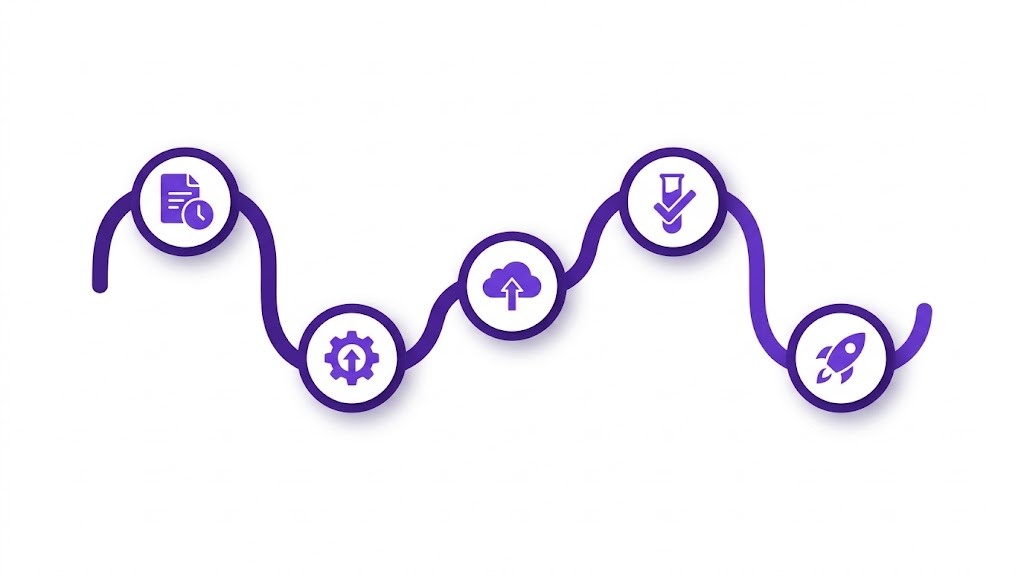
Before you change a word, you need to know where you stand and let the AI engines reach you. This phase is pure setup — do it once and the rest of the sprint runs on top of it.
Enter your domain in the AI Citations Tracker — no login, no card. Your personal tracker link is live in seconds and your first scan starts within a minute.
Paste your
sitemap.xml URL. The tracker fetches every page so you can pick which ones to track instead of adding URLs one by one.The free tier tracks 1 page and does not include Google Search Console — GSC integration (real clicks, impressions, position, and the Google Ranking Brief) is part of a paid tier, or I can run it for you (see below). Everything else in this sprint works on the free tier.
In
robots.txt, explicitly allow PerplexityBot, OAI-SearchBot and GPTBot. If a bot can’t crawl you, it can never cite you — this is the single most common reason a good page is invisible to AI.A live tracker, your page ready, and open doors for the AI crawlers. Everything below builds on this.
Diagnose where AI ignores you
Now you find the gaps. The tracker checks whether Google AI Overviews, Perplexity and Copilot actually cite each page — and just as important, it finds the self-inflicted problems (cannibalization, stale content) that quietly suppress citations.
Run the 3-engine citation check
After each scan you get a YES/NO per engine: Google AI Overviews, Perplexity and Copilot (Claude and Brave coming soon). Perplexity and rankings are checked automatically; for AI Overviews you paste the overview you actually see — the only exact method, because AI Overviews are personalized and no scraper sees your version.
Every scan returns exact copy-paste sentences, where to add them, and which AI system each one targets — HIGH-priority actions first. This is your worklist for the next 36 hours.
When two of your pages compete for the same query, AI engines get confused about which to cite — often citing neither. The tracker flags it and tells you which page to keep as the target and which to 301 or re-target.
Pages losing citations to freshness decay surface before the traffic drop shows up. Perplexity in particular favours recent content with visible update dates.
The brief lists the named things — people, tools, frameworks, statistics — that AI models expect to see and your page is missing. Pages without clear entities are effectively invisible to citation algorithms.
Most AI trackers stop at “you’re mentioned 3 times.” They never tell you why a competitor was cited instead of you or what to change. The Citation Brief names the sources the AI actually used, shows the gap, and gives the exact fix — in your page’s own language.
Build the citeable base
This is where most of the work lives. AI engines quote passages, not pages — so every page gets the same treatment: a direct answer up top, the entities and structure engines look for, and proof that a real expert stands behind it.
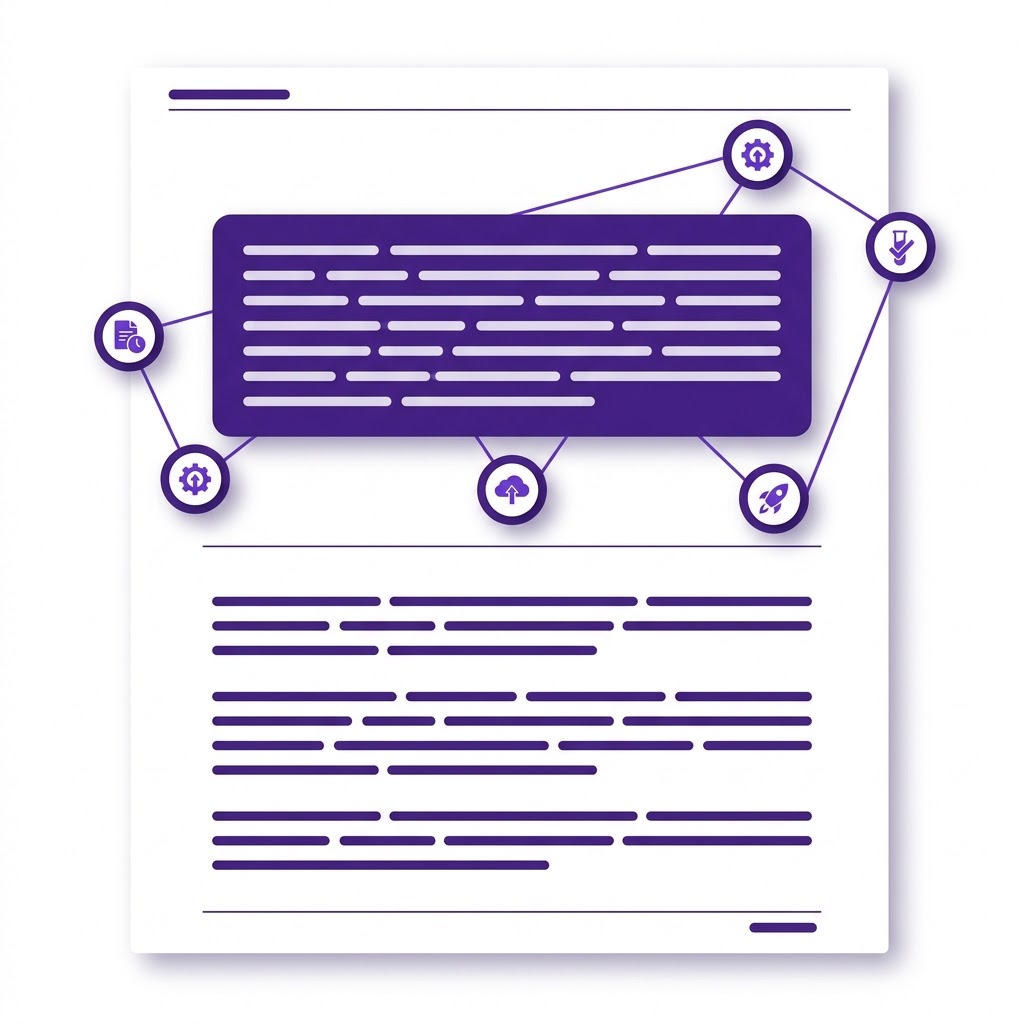
Before any storytelling, answer the page’s core question in the first 100 words. The peer-reviewed Princeton/Georgia Tech GEO study (Aggarwal et al., KDD 2024) found that 44.2% of LLM citations come from the first 30% of a page — so a direct answer up top is a citation requirement, not a nicety.
Work the named people, tools, frameworks and statistics from your brief into the copy. The same Princeton study found that adding statistics was the single most effective tactic, lifting AI-citation visibility by up to 41% (Aggarwal et al., KDD 2024). Clear entities and hard numbers are how AI models recognise your page as a credible source.
Publish under a real author with a bio and demonstrable experience — never ‘admin’. Perplexity in particular leans on verifiable author credentials. Add your real years in business, service area and author so the brief uses only true facts, never invented credentials.
Clear H2 question-headings, an FAQ section, and FAQPage schema give extraction algorithms something to lift — pages with three or more schema types show a 13% higher LLM-citation probability (2026 State of AI Search). Check your GRAAF ContentScore — the free 100-point scanner at app.contentscale.site reads how citeable each page is — and fix what drags it down.
One time per change: paste the new HTML so the tracker recalculates your GRAAF score and can measure the improvement on the next scan.
Every brief is written in your page’s own language (auto-detected) or any of 20+ you choose — only the human-readable text is translated; your URLs, HTML, schema and brand names stay exactly as they are. If you serve NL/BE/DACH or other non-English markets, the fixes are ready to publish as-is.
Win rankings and citations together
Here is the part almost every other tool misses. Google rankings and AI citations are not two separate jobs — but the same page can rank in Search and, independently, be cited or ignored in an AI answer. This phase reads both at once.
Google itself is clear that this is not a separate discipline: in its 2026 guidance it states that AI Overviews and AI Mode are rooted in its core Search ranking and quality systems — optimising for AI search is still SEO. The same strong fundamentals win on both. But you still have to see both, and that is what the GSC Brief does.
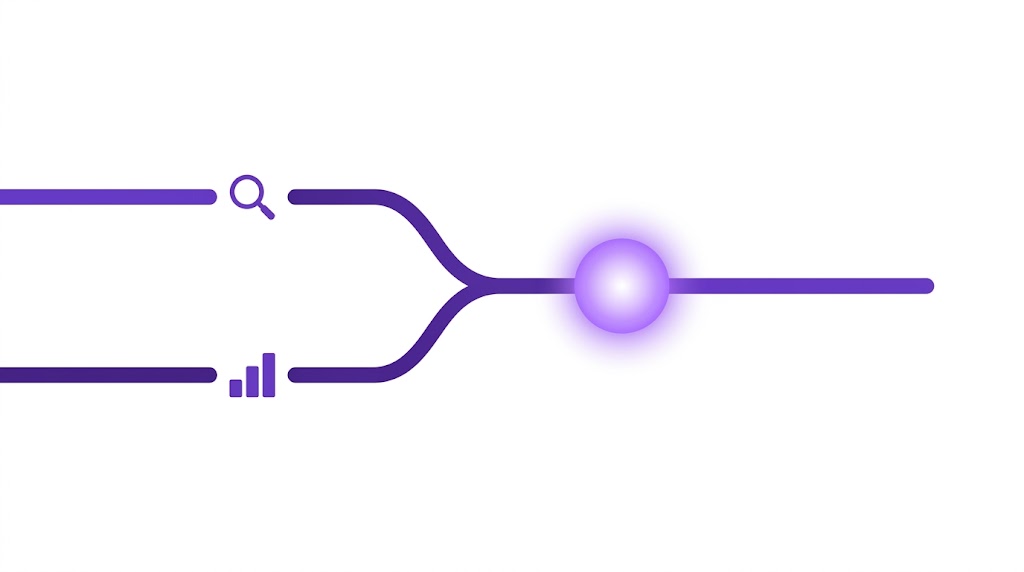
This is where Google Search Console comes in — separate ranking actions (title, meta, content) based on your real clicks, impressions and position, plus the ‘from cited to #1’ Google Ranking Brief. GSC is not in the free tier: unlock it with a paid tier, or have me set it up and run it on your URLs or domain for you.
The tracker analyses where you get impressions but no clicks — often pages where an AI Overview is absorbing the click. Those are your highest-leverage fixes.
The tracker compares your sitemap with your tracked pages and suggests missing links — exact anchor text, exact placement, only from your tracked page to others. That is how AI systems follow topical-authority chains.
Roughly half of AI-Overview brand mentions come from third-party citations, not your own site. The research is clear on the mechanism: brands mentioned across independent, credible sources build stronger entity signals, and stronger entity signals make AI citation more likely (Sunil Pratap Singh, GEO research review, 2026). One mention in a publication your buyers trust does more than ten self-published posts.
The process is clear, but it is not effortless — connecting GSC, reading briefs and implementing fixes across pages takes time. If you would rather skip the learning curve, I can babysit your URLs or domain: set up the tracker with the full paid system (GSC included), run the scans, and hand you (or your team) implemented, citation-ready pages. This is how you use the complete system without doing the plumbing yourself. WhatsApp me or see services.
Blueprint pages that don’t exist yet
Fixing existing pages is half the game. The other half is building new ones that are citeable from day one — before you write a single word.
Enter just a keyword (plus an optional working title or H1, language and SERP region) — no URL needed, because the page does not exist yet. The tracker scrapes the live top-10 competitors and returns a full blueprint.
Paste-ready title, meta, H1 and slug; a 40–60 word citeable opening; every H2 in writing order with citation hooks; the entities and FAQ to cover; a top-5 competitor gap table; and internal-link targets.
Because the structure is built from what the current top-10 already earn citations for, you are writing to out-cite them — not guessing at a structure and hoping. Tip from experience: scan any related pages you already have first, so the Pre-Write Brief builds on what is already working on your site — it makes every new page sharper and avoids competing with yourself.
No other tool builds a page before it exists. Most start from a URL you already have; the Pre-Write Brief starts from a keyword and tells you exactly what a brand-new page needs to out-rank and out-cite everything in the current top 10.
Start the loop that compounds
Citations are not a one-time edit. The final phase turns your sprint into a self-running cycle so improvements stack scan after scan instead of fading after a single edit.
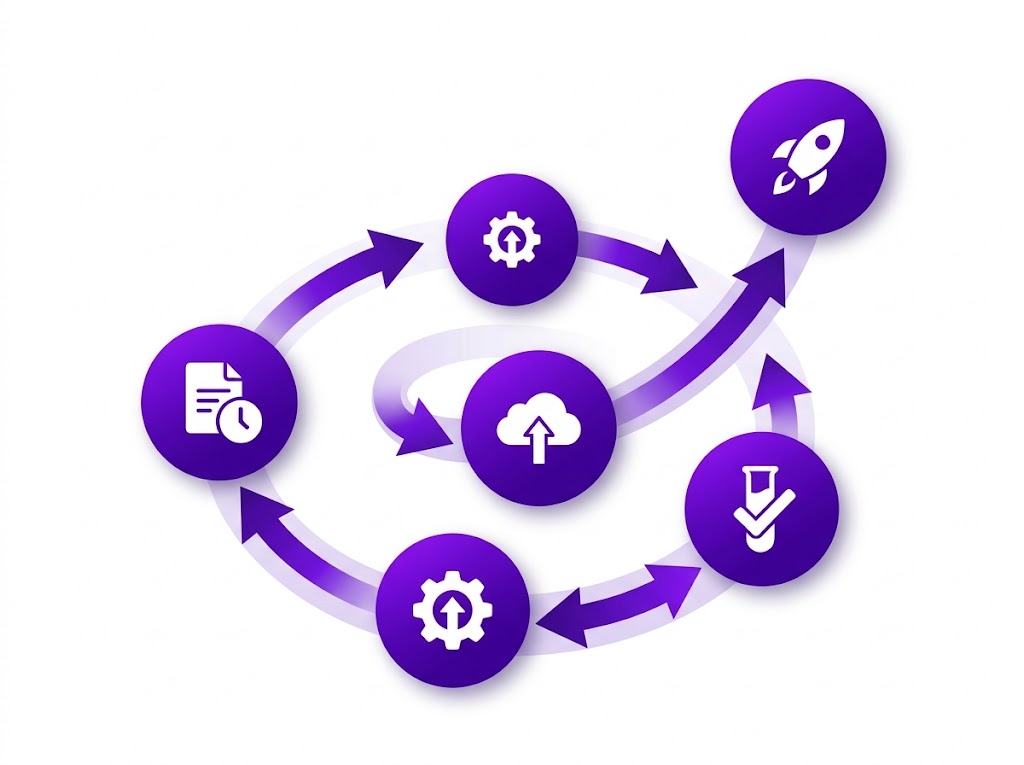
After you implement the HIGH-priority items, press Done and paste your updated HTML. The tracker rescans automatically every 3 days and measures exactly what moved.
Retrieval engines can surface improvements within days; AI Overviews take a few weeks. The rescan shows your ContentScore climbing and citations appearing where there were none.
Pick the next batch of pages from your imported sitemap. The same loop — scan, brief, implement, rescan — runs on all of them, HIGH-priority actions first.
Briefs arrive by email and Telegram the moment a scan finishes. Not using the tracker for a while? It emails you and pauses automatically — no wasted compute, no spam.
How to Get Cited by AI in 48 Hours: The Checklist
Work top to bottom. Your progress is saved in this browser only — nothing is sent anywhere.
Start Hour 0 now — free
The whole plan to get cited by AI in 48 hours runs on one free tool. No login, no credit card, first scan in about a minute.
→ Start my free AI Citations TrackerWhat the research (and Google) actually says
This plan is not opinion — it lines up with peer-reviewed research and Google’s own statements. Two points are worth quoting directly.
“People sometimes view it as: it’s AI or search, or it’s AI or the web. We don’t see it as that split. I see it as AI enables search to do more of the things it always wanted to do.” — Liz Reid, VP & Head of Google Search (Semafor, June 2025)
That is exactly why this plan fixes rankings and citations together rather than treating them as two disciplines. The academic work points the same way: the Princeton GEO study (Aggarwal et al., KDD 2024) found that lower-ranked pages gained the most from citation-focused optimization — pages at position 5 saw a 115% relative visibility lift in AI answers after adding source citations. In other words, you do not need to rank #1 first to start earning citations.
“AI will empower us all to ask more questions and allow creators to reach more deeply engaged audiences.” — Liz Reid, VP & Head of Google Search (on AI Search and the open web, 2025)
One finding from that same body of research is worth flagging, because it shapes how you should not optimize: keyword stuffing performed about 10% worse than an unoptimized baseline on Perplexity. Chasing keyword density does not help you get cited — a clear answer, real statistics and credible sources do.
Frequently Asked Questions
- The AI Citations Tracker — the free tool this whole plan runs on.
- The GRAAF Framework — the 100-point score behind every brief.
- The free GRAAF ContentScore scanner — score any page’s citeability at app.contentscale.site.
- GSC Hidden Metrics — the Search Console data that drives the ranking half.
- Traffic Drop Diagnostic — if citations fell along with your traffic.
Written by Ottmar J.G. Francisca — creator of ContentScale · GRAAF Framework · independent SEO consultant, Amsterdam NL
Ottmar built the ContentScale AI Citations Tracker and created the GRAAF Framework — the 100-point content-quality system behind every Citation Brief. An independent SEO consultant based in Amsterdam specializing in Technical SEO, AI Search Optimization (GEO/AEO) and Local SEO, he brings 24+ years in systems and operations (formerly City of Amsterdam) and a measurement-driven approach to content, drawing on SEO experience across 200+ websites.
ContentScale · contentscale.site · Content optimised with the GRAAF Framework by Ottmar Francisca