Google Penalty Recovery — Restore Your Traffic in 90 Days
Manual action or algorithmic penalty — I diagnose the exact cause, fix every violation, and recover your rankings. Documented case studies showing recovery within 90 days, from SEO experience across 200+ websites. Free diagnosis included.
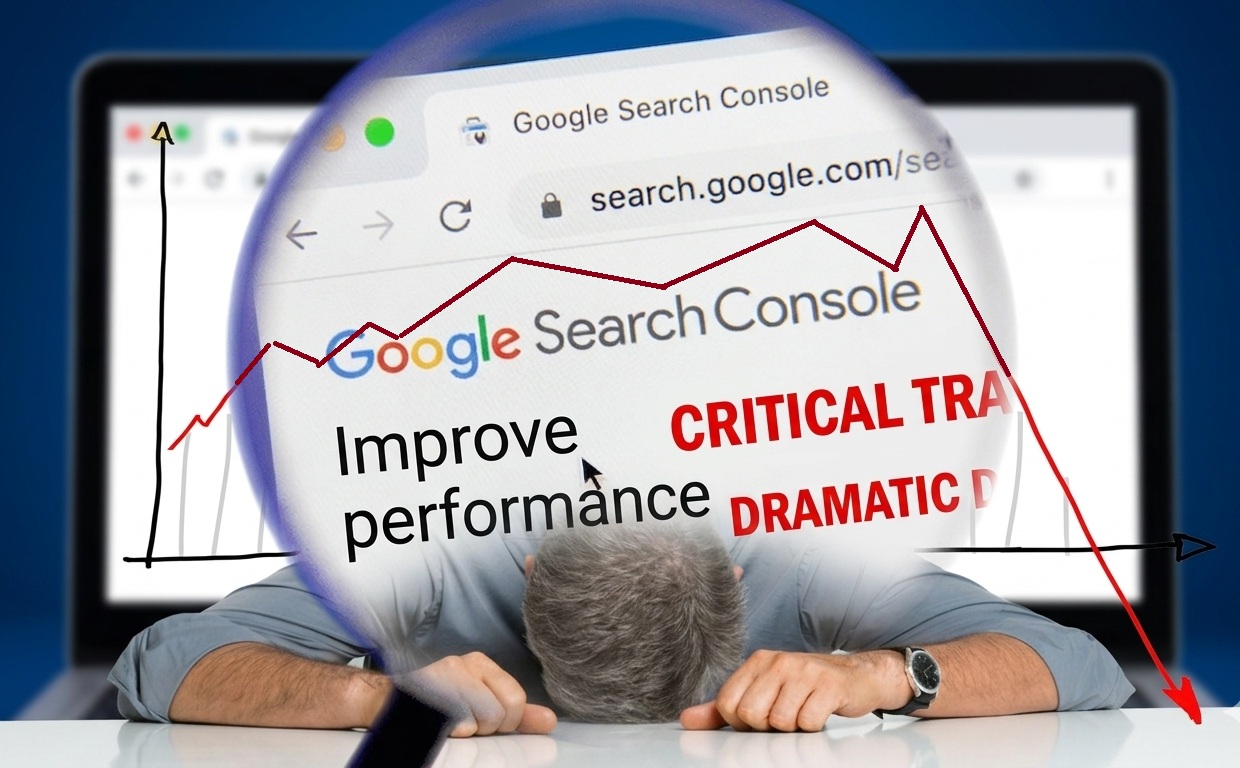
Figure 1: Google penalty recovery requires identifying whether the cause is a manual action or an algorithmic update — the fix is completely different for each type.
Google penalty recovery is a structured process of diagnosing, fixing, and restoring your site’s rankings after a manual action or algorithmic penalty from Google. I provide Google penalty recovery from Amsterdam, using the GRAAF Framework to find the root cause — free diagnosis included.
Google Penalty Recovery: The Short Answer
A Google penalty is a negative action that reduces your site’s search rankings — either applied manually by a Google reviewer (visible in GSC) or triggered automatically by a Google algorithm update (Helpful Content, Penguin, Core Updates). Google issued over 400,000 manual actions in 2024. Google penalty recovery requires identifying the exact type, fixing every violation, and — for manual actions — submitting a documented reconsideration request.
| Type | Visible in GSC? | Recovery Path | Timeline |
|---|---|---|---|
| Manual Action | ✅ Yes — Security & Manual Actions | Fix violations → reconsideration request | 2–6 weeks |
| Algorithmic (Helpful Content, Core) | ❌ No — infer from traffic data | Fix content quality → wait for re-crawl | 30–90 days |
| Algorithmic (Penguin — links) | ❌ No | Backlink audit → disavow → re-crawl | 30–90 days |
| Pure Spam (Manual) | ✅ Yes | Full content rebuild → reconsideration | 3–6 months |
First step, always: Open Google Search Console → Security & Manual Actions → Manual Actions. If nothing is listed, your penalty is algorithmic — do not submit a reconsideration request.
Google Penalty Recovery — Key Statistics
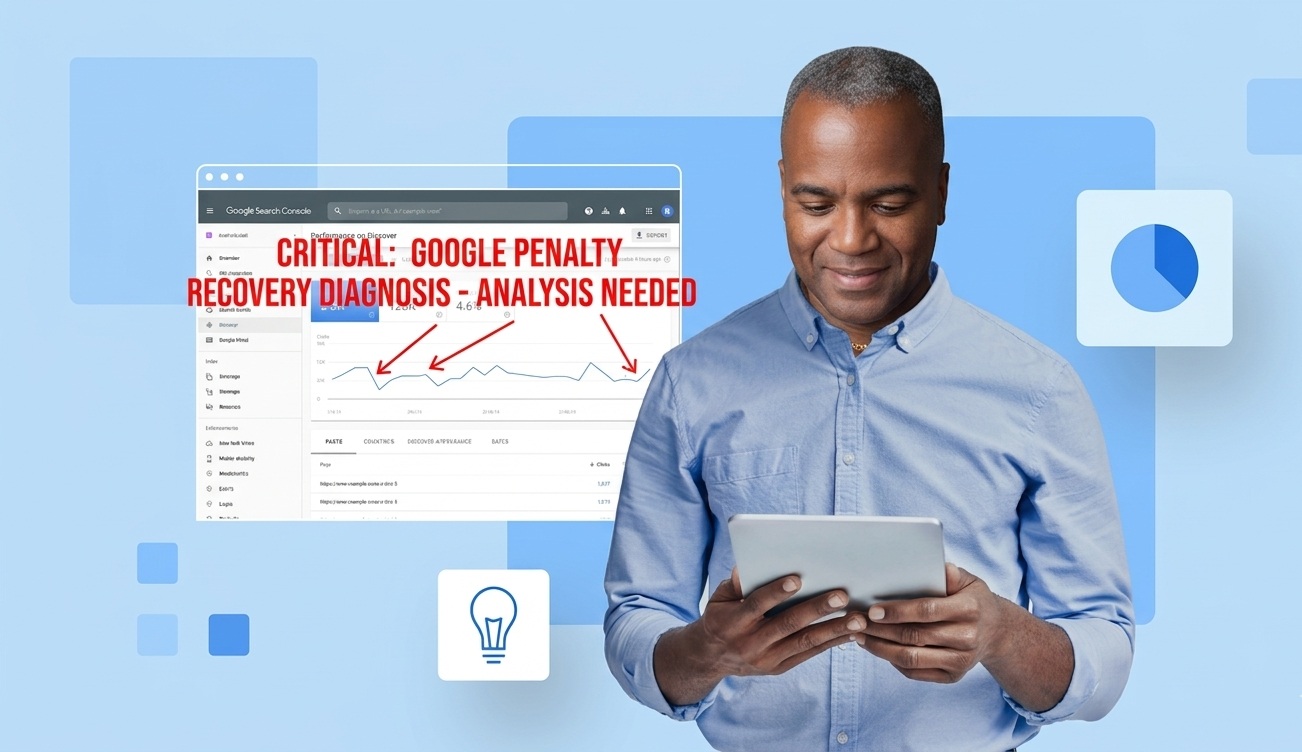
Figure 2: The diagnosis phase determines the entire recovery strategy — speed matters but accuracy matters more.
How to Diagnose a Google Penalty — 4-Phase Protocol
Google penalty recovery is impossible without accurate diagnosis. This is the exact protocol ContentScale uses for every case in Amsterdam and internationally.
Google Search Console — Manual Actions Check
Open GSC → Security & Manual Actions → Manual Actions. If a manual action is listed, note the exact reason, affected URLs, and date. Check GSC Messages for penalty notification emails. If nothing is listed: your penalty is algorithmic — proceed to Phase 2. Do not submit a reconsideration request for an algorithmic penalty.
Traffic Pattern Analysis — Identify the Exact Date
GSC → Performance → compare 3 months before vs 3 months after the drop. Identify the exact date traffic dropped. Cross-reference against Google Algorithm Update History.
- Drop within 2–3 days of a known update = strong algorithmic penalty indicator
- Drop with no corresponding update = manual action, technical issue, or competitor gain
Content Quality Assessment — ContentScore Audit
Run every affected page through the free ContentScore scanner. Pages scoring below 70 are likely contributing to Helpful Content or Panda penalties. The GRAAF Framework identifies exactly which E-E-A-T signals are missing per page — turning a vague “quality problem” into a specific, prioritised fix list.
Backlink Profile Audit
Export full backlink profile from Ahrefs or Semrush. Filter for: DA below 10, link farms, irrelevant foreign domains, paid link patterns. Attempt manual outreach to remove toxic links — document every attempt with dates. Build a disavow file for links that cannot be removed.
What is the process for Google penalty recovery?
My Google penalty recovery process begins with a comprehensive audit to identify the specific manual or algorithmic issues affecting your site. I then develop a tailored strategy, which may include backlink analysis, content optimization, and technical fixes, to address the root cause and work towards restoring your search rankings.

Figure 3: Each Google penalty type has a distinct traffic signature and requires a specific recovery workflow.
Common Google Penalty Types in 2026 — and How to Fix Each
Helpful Content Penalty
Most common 2024–2026. Sitewide traffic drop coinciding with a Helpful Content Update. No manual action in GSC. Affects sites where content was produced primarily for search engines, not readers.
Unnatural Links
GSC shows “Unnatural links to your site.” Sharp traffic drop on manual action date. Common from historical link buying, directories, and link exchanges.
Thin Content
GSC shows “Thin content with little or no added value.” Affects pages under 300 words, duplicate content, or doorway pages.
Core Update Suppression
Broad traffic loss across multiple pages coinciding with a Core Update. Affects sites with inconsistent E-E-A-T signals, thin author credentials, or unoriginal content at scale.
Site Reputation Abuse
New in 2024 — third-party content published on authoritative domains without editorial oversight (parasite SEO). Can affect entire domain rankings even when main pages are high quality.
AI Content Penalty
Not penalised for being AI-generated — penalised for being unhelpful, unoriginal, lacking genuine expertise. Mass-produced AI content with no E-E-A-T signals triggers Helpful Content suppression.
Google Penalty Recovery Timeline — What to Expect
| Penalty Type | Recovery Time | Key Factor |
|---|---|---|
| Manual action — unnatural links | 2–6 weeks post-request | Completeness of link cleanup + documentation |
| Manual action — thin content | 2–4 weeks post-request | Content quality improvement depth |
| Helpful Content (sitewide) | 60–120 days | Sitewide ContentScore improvement to 85+ |
| Penguin (links) | 30–90 days | Disavow file quality + next crawl cycle |
| Core Update suppression | 60–180 days | Next core update cycle recognition |
| Pure spam (manual) | 3–6 months minimum | Full content rebuild required |
| Site reputation abuse | 4–8 weeks post-request | Third-party content removal + editorial controls |
How fast can Google penalty recovery restore traffic?
The GRAAF Framework, created by Ottmar Francisca and combined with the free AI Citations Tracker, has documented case studies showing recovery within 90 days for sites across 47 countries. This data-driven approach focuses on diagnosing the root cause of penalties and implementing strategic fixes to rebuild search visibility.

Figure 4: AI content and site reputation abuse are the fastest-growing causes of new Google penalties in 2025–2026.
Emerging Google Penalty Risks: AI Content & Reputation Abuse
What Google Actually Penalises for AI Content
Google does not penalise content because it was produced by AI. Google penalises content that is unhelpful, unoriginal, or lacks genuine expertise — regardless of how it was written. The fix is never to remove AI content — it is to add the E-E-A-T signals the content lacks.
- Penalised: Mass-produced AI content with no original expertise, no cited sources, no real-world experience signals
- Not penalised: AI-assisted content demonstrating genuine expertise, citing real sources, providing original value
- Fix: Run all AI content through ContentScore — add expert quotes, current statistics, actionable steps. Target 85+ before republishing.
Site Reputation Abuse (Parasite SEO) — New in 2024
Google’s March 2024 update specifically targeted third-party content published on authoritative domains without editorial oversight. If your domain hosts a /blog/ or /news/ section where contributors published content without editorial review, this is now a manual action risk — and it can affect your entire domain’s rankings.
Google Penalty Recovery Case Studies — Amsterdam & Netherlands
61% organic traffic loss after September 2023 Helpful Content Update. 40+ blog articles, ContentScore average 31/100. Monthly leads dropped from 23 to 9.
ContentScore audit of all 40 articles → deleted 14, merged 8, rewrote 18 with GRAAF Framework — expert case studies, cited industry data, actionable frameworks. All 18 published at 91+ ContentScore before requesting re-crawl.
Manual action for “Unnatural links.” Traffic −78% overnight. 340 toxic links from Dutch link directory network purchased by a previous agency. Revenue impact: €22,000/month lost immediately.
Ahrefs export → 340 toxic links across 47 domains identified → removal requests sent to all 47 with timestamps → disavow file for 38 non-responding domains → 12-page reconsideration request with full evidence documentation.
Google Penalty Recovery Services — What I Handle Personally
Every case I take on I handle personally, from Amsterdam. Free diagnosis always included. For scope and current pricing, see my services page.
Penalty Diagnosis
4-phase protocol: GSC investigation, traffic pattern analysis, backlink audit, ContentScore content assessment. Identifies the exact penalty type and all contributing factors before any fix begins.
Free — included alwaysContent Quality Recovery
GRAAF Framework audit of all affected pages. Every page improved to 85+ ContentScore before requesting re-crawl. Eliminates Helpful Content and Panda algorithmic penalties at the root cause.
See current pricing →Backlink Audit & Disavow
Full toxic link identification, manual removal outreach with documentation, disavow file construction. Used for Penguin penalties and unnatural links manual actions.
See current pricing →Reconsideration Request
Professionally drafted reconsideration request with full evidence documentation. Structured to be approved on first submission — vague requests are rejected every time.
Included in recovery packageMonthly Monitoring
Ongoing GSC monitoring, ContentScore re-audits, backlink alert setup. Prevents re-occurrence and catches new issues before they become penalties.
See current pricing →Amsterdam & NL Market
Specialised Google penalty recovery for Dutch, Belgian, and UK English markets. Dutch-language content audits available. WhatsApp-first communication, usually a same-day reply.
Free assessment for NL businessesNeed Google Penalty Recovery for Your Site?
Most Google penalty recovery attempts fail because they address symptoms without diagnosing the underlying quality signals that triggered the penalty. The GRAAF Framework finds the root cause and fixes it — with documented case studies across SEO experience of 200+ websites in 47 countries.
- Free ContentScore diagnosis — any page, 30 seconds, no account
- Done-for-you recovery, Amsterdam-based — see pricing
- Manual action reconsideration requests — approved first submission
- GRAAF-guided content quality fixes — 85+ ContentScore before re-crawl
- Backlink audits, disavow files, toxic link removal
- Dutch, Belgian, and UK English markets — WhatsApp-first response
- Free penalty assessment for Netherlands businesses
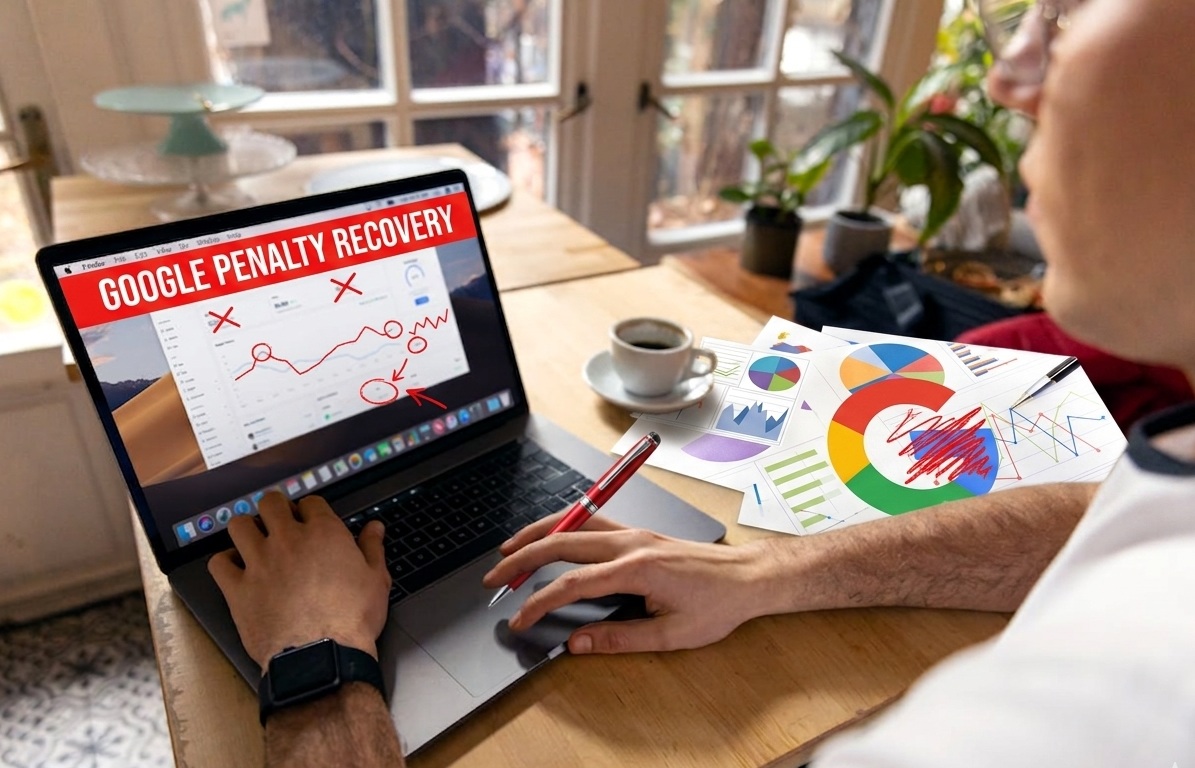
Figure 5: Key 2026 statistics for Google penalty recovery planning — manual actions, algorithmic impacts, and recovery rates.
How to Avoid Future Google Penalties — Prevention Framework
Google penalty recovery is reactive. Prevention is always faster and cheaper. These practices eliminate the most common causes for Amsterdam businesses in 2026.
Content Quality — GRAAF Framework Standards
- Run every page through ContentScore before publishing — never publish below 75
- Set a quarterly content audit — rescan all pages and fix any below 70
- For AI-assisted content: always add original expert insight, real data citations, actionable steps — target 85+ ContentScore
- Apply the GRAAF Framework quality checklist to every new piece of content
Backlink Monitoring
- Monthly backlink audit in Ahrefs or Semrush — flag any new links from DA below 10 domains
- Never purchase links, participate in link exchanges, or use directories — even “white hat” ones
- Set up GSC email alerts for manual actions — catch problems within hours not weeks
- Any spike of 50+ new links in a week warrants immediate investigation
Technical SEO Audits
- Monthly: check GSC for crawl errors, manual actions, and security alerts
- Quarterly: full site crawl — flag thin pages, duplicate content, broken links
- After any major site change: immediate technical audit before traffic can be affected
Don’t Forget Bing: Getting Cited by Microsoft Copilot
If Copilot is not citing this page, it is likely not indexed in Bing. Submit the URL via Bing Webmaster Tools and use the IndexNow API. This is a prerequisite for Copilot citation — on-page recovery work alone will not earn a Copilot citation on a page Bing hasn’t indexed yet.
Related guides by Ottmar Francisca: The GRAAF Framework · AI Overview optimization · Generative Engine Optimization (GEO) · free AI Citations Tracker
Frequently Asked Questions — Google Penalty Recovery

Penalised by Google? Let’s Fix It.
Free ContentScore scan to start — or contact me directly for a complete penalty assessment and recovery strategy. See services & pricing.
📞 +31 6 2807 3996 · ✉️ info@contentscale.site · Amsterdam, Netherlands