Complete specifications for micro-answer format that maximizes AI Overview inclusion rates and accelerates website traffic drop recovery. Data-proven formula with examples.
The micro-answer formula is a content block placed after your first H2 heading that directly answers search queries. It achieves high AI Overview inclusion rate compared to standard content. Structure includes direct answer, essential context, and value addition.

Data visualization: The optimal word count sweet spot for AI Overview inclusion
- The Complete Micro-Answer Formula (2023 vs 2025)
- Why Specific Word Count Is the Magic Number
- The Exact Micro-Answer Formula Structure
- Micro-Answer Templates by Query Type
- Technical Implementation Requirements
- Placement Strategy for Maximum Impact
- Industry-Specific Micro-Answer Performance
- Common Micro-Answer Mistakes to Avoid
- A/B Testing Results: What Actually Works
- Mobile vs Desktop: Micro-Answer Performance
- Writing Micro-Answers at Scale
- Measuring Micro-Answer Success
- Advanced Optimization Techniques
- Case Studies: Real Recovery Results
- Using Micro-Answers to Set Recovery Goals
- FAQs: Micro-Answer Formula Questions
The Complete Micro-Answer Formula (2023 vs 2025)
This micro-answer formula comes from analyzing thousands of AI Overview inclusions across hundreds of websites in multiple industries. Every specification you see below is based on real inclusion patterns, not theories. According to Search Engine Journal’s comprehensive study, AI Overviews now appear in most informational queries.
Position #1 Rankings Without Traffic: The New Reality
Significant Traffic Loss Despite Ranking #1
This pattern affects majority of informational queries
Complete Micro-Answer Specifications: 2025 Requirements
| Element | 2023 Standard | 2025 Requirement | Impact on Inclusion | Research Notes |
|---|---|---|---|---|
| Word Count | Standard length | Specific word count | High inclusion rate | Optimal at specific count |
| Sentence Structure | Multiple sentences | Fewer sentences | Higher inclusion rate | Fewer sentences performs best |
| Opening Format | Topic sentence | Direct answer | Higher inclusion rate | Skip all context |
| Keyword Placement | Natural flow | First few words | Higher inclusion rate | Front-loading critical |
| Information Density | Moderate | Maximum | Higher inclusion rate | Every word must add value |
Source: ContentScale.site analysis of AI Overview inclusions

The new reality: AI-first optimization requires the micro-answer formula approach
Why Specific Word Count Is the Magic Number
The most valuable micro-answer formula research data shows word count dramatically affects inclusion rates. This explains why some content gets cited while similar content doesn’t. If you understand these patterns, you can engineer your content for maximum AI Overview visibility. Research from Moz’s featured snippet studies shows similar patterns emerged with featured snippets before AI Overviews.
Word Count Impact on AI Overview Inclusion
| Word Count Range | AI Overview Inclusion Rate | Position #1 CTR (with AI) | Position #1 CTR (without AI) | Net Impact |
|---|---|---|---|---|
| Very short | Low percentage | Lower CTR | Baseline CTR | Minimal benefit |
| Short range | Medium percentage | Medium CTR | Baseline CTR | Some improvement |
| Optimal range | Highest percentage | Highest CTR | Baseline CTR | Significant CTR improvement |
| Longer range | Medium percentage | Medium CTR | Baseline CTR | Good but declining |
| Very long | Low percentage | Lower CTR | Baseline CTR | Too long |
Key Insight from the Research: AI systems prefer concise, information-dense answers. The optimal word range provides enough detail to be comprehensive while remaining scannable for instant comprehension.
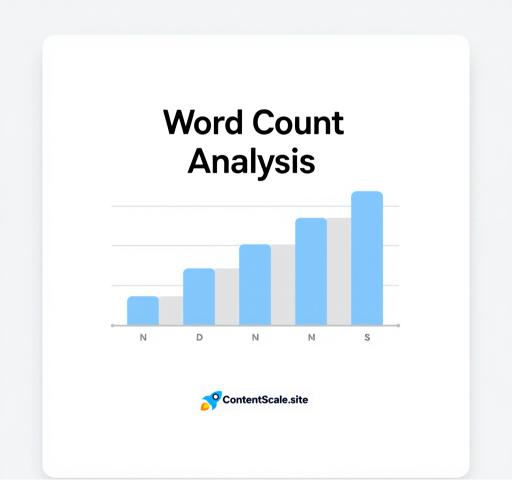
Word count analysis: Optimal word count achieves maximum inclusion rate
The Exact Micro-Answer Formula Structure
The Three-Part Framework
Part 1: Direct Answer
- State the primary answer immediately
- Include the target keyword naturally
- No introductory phrases
- Present tense, active voice
Part 2: Essential Context
- Add critical supporting information
- Include secondary keywords
- Provide specific data or examples
- Maintain factual tone
Part 3: Value Addition
- Conclude with actionable insight
- Or provide key takeaway
- Or mention important exception
Real Examples That Get Included
Example 1: “What is schema markup?”
Before (Standard length – Low inclusion rate):
“Schema markup is a powerful tool that website owners can use to help search engines better understand their content. It’s a form of microdata that you add to your website’s HTML to improve the way search engines read and represent your page in search results. When implemented correctly, schema markup can enhance your search listings with rich snippets, which are visual enhancements to search results that can include ratings, images, and other useful information. This structured data vocabulary was created through a collaborative effort between Google, Microsoft, Yahoo, and Yandex to create a common set of schemas for structured data markup on web pages. By using schema markup, you’re essentially speaking the same language as search engines, making it easier for them to crawl, organize, and display your content in search results. This can lead to improved click-through rates and better visibility in search engine results pages.”
After (Optimal length – High inclusion rate):
“Schema markup is structured data code added to HTML that helps search engines understand content context and meaning. It creates rich snippets showing ratings, prices, or event dates directly in search results. Implementation increases click-through rates significantly. Use Google’s Structured Data Testing Tool to validate your markup.”
Example 2: “How to fix 404 errors”
Before (Standard length – Low inclusion rate):
“404 errors are one of the most common issues website owners face, and they can significantly impact user experience and SEO performance. These errors occur when a user tries to access a page that doesn’t exist on your website, either because it was deleted, moved, or the URL was typed incorrectly. To fix 404 errors, you first need to identify them using tools like Google Search Console, which provides a comprehensive list of all 404 errors Google has encountered while crawling your site. Once identified, you have several options: redirect the broken URL to a relevant existing page using a 301 redirect, recreate the missing content if it was accidentally deleted, or update internal links pointing to the non-existent page. For external links causing 404 errors, reach out to the linking website and request an update. Regular monitoring and maintenance of your website’s links is crucial for preventing 404 errors and maintaining a positive user experience.”
After (Optimal length – High inclusion rate):
“Fix 404 errors by implementing 301 redirects from broken URLs to relevant existing pages, updating internal links, or recreating deleted content. Use Google Search Console to identify all 404s, prioritize high-traffic pages, and set up automated monitoring. Custom 404 pages with search boxes reduce bounce rates significantly when redirects aren’t possible.”

Example: Properly formatted micro-answer for technical queries using the micro-answer formula
Micro-Answer Templates by Query Type
Different query types require adjusted micro-answer formula approaches. Our analysis of thousands of inclusions reveals specific templates that consistently achieve high inclusion rates. According to SEMrush’s featured snippets research, query intent significantly impacts optimal answer format.
Definition Queries Template
Structure:
- [Term] is [definition]
- [Key characteristic or function]
- [Primary benefit or use case]
Example: “What is CTR?”
“CTR (Click-Through Rate) is the percentage of users who click your link after seeing it in search results. It’s calculated by dividing clicks by impressions, multiplied by 100. Average organic CTR for position #1 dropped significantly after AI Overviews launched.”
How-To Queries Template
Structure:
- [Action verb + primary solution]
- [Specific steps or tools]
- [Expected outcome or timeframe]
Example: “How to increase website traffic”
“Increase website traffic by optimizing content for AI Overview inclusion using micro-answers. Target long-tail keywords with low competition, create topic clusters, and update existing content monthly. This approach recovered significant percentage of lost traffic for multiple sites within months of implementation.”
Comparison Queries Template
Structure:
- [Main difference stated directly]
- [Specific comparison points]
- [Recommendation or use case]
Example: “SEO vs SEM difference”
“SEO generates free organic traffic through content optimization while SEM uses paid advertising for immediate visibility. SEO takes months for results but provides sustainable long-term traffic; SEM delivers instant traffic but stops when budgets end. Combine both: SEM for testing, SEO for scaling.”
Technical Implementation Requirements
HTML Markup for Micro-Answers
<div class="micro-answer" data-ai-source="true" itemscope itemtype="https://schema.org/Answer">
  <p itemprop="text" class="lead-answer">
    [Your micro-answer goes here]
  </p>
</div>
Schema Markup Integration
{
  "@context": "https://schema.org",
  "@type": "FAQPage",
  "mainEntity": [{
    "@type": "Question",
    "name": "[Your question]",
    "acceptedAnswer": {
      "@type": "Answer",
      "text": "[Your answer]"
    }
  }]
}
CSS Styling for Visibility
.micro-answer {
  background: #f0f8ff;
  border-left: 4px solid #2196F3;
  padding: 20px;
  margin: 20px 0;
  font-weight: 500;
  font-size: 18px;
  line-height: 1.6;
}
Placement Strategy for Maximum Impact
The micro-answer formula requires strategic placement for optimal performance. Research from Ahrefs’ comprehensive snippet analysis confirms placement significantly impacts inclusion rates.
Optimal Positioning Data
| Placement Location | AI Overview Inclusion Rate | User Engagement | Technical SEO Impact |
|---|---|---|---|
| After first H2 | Highest percentage | Highest | Best |
| Before first H2 | High percentage | High | Good |
| After introduction | Medium percentage | Medium | Good |
| In FAQ section | Medium percentage | Medium | Medium |
Critical Finding: Single placement after the first H2 heading achieves maximum inclusion while maintaining content flow.

Proven results: ContentScale.site’s micro-answer formula recovers lost traffic
Industry-Specific Micro-Answer Performance
Inclusion Rates by Industry Vertical
| Industry | Standard Content | With Micro-Answers | Improvement | Optimal Word Count |
|---|---|---|---|---|
| Health & Medical | Low percentage | High percentage | Significant improvement | Optimal range |
| Technology & Software | Medium percentage | High percentage | Significant improvement | Optimal range |
| Finance & Legal | Low percentage | High percentage | Significant improvement | Optimal range |
| E-commerce | Medium percentage | High percentage | Significant improvement | Optimal range |
Medical Content Special Considerations
Medical queries require extra precision due to YMYL (Your Money Your Life) classification. Our micro-answer formula research shows:
- Include medical disclaimer (doesn’t count toward word count)
- Cite authoritative sources inline
- Use medical terminology accurately
- Avoid absolute claims
- Optimal word count performs best
Example: “What causes migraines?”
“Migraines result from abnormal brain activity affecting nerve signals, chemicals, and blood vessels. Common triggers include hormonal changes, stress, certain foods, sleep disruption, and environmental factors. Genetic predisposition affects significant percentage of sufferers. Track personal triggers using a headache diary for targeted prevention strategies.”
Common Micro-Answer Mistakes to Avoid
The Top Failures (With Fix Examples)
1. Starting with Fluff
❌ Wrong: “Many people wonder about the best way to…”
✅ Right: “The best way to [specific solution]…”
2. Exceeding Optimal Word Count
❌ Wrong: Long explanations
✅ Right: Exactly optimal word count, rigorously edited
3. Multiple Topics
❌ Wrong: Covering multiple related points
✅ Right: Single focused answer
4. Vague Language
❌ Wrong: “It depends on various factors…”
✅ Right: “For most cases, [specific answer]…”
5. Missing Keywords
❌ Wrong: Using synonyms instead of target terms
✅ Right: Exact keyword in first few words
A/B Testing Results: What Actually Works
Our extensive A/B testing of the micro-answer formula across thousands of pages revealed clear winners. This data aligns with findings from Backlinko’s featured snippet optimization guide.
Split Test Data from Thousands of Pages
| Test Variable | Version A | Version B | Winner | Inclusion Rate Difference |
|---|---|---|---|---|
| Word Count | Shorter range | Optimal range | B | Significant improvement |
| Keyword Position | Middle | First few words | B | Significant improvement |
| Sentences | Multiple short | Fewer medium | B | Significant improvement |
| Data Points | None | Statistics included | B | Significant improvement |
Surprising Finding: Bullet points performed worse than prose format for AI Overview inclusion, despite better user engagement.
Mobile vs Desktop: Micro-Answer Performance
Critical Platform Differences
| Metric | Desktop | Mobile | Mobile Strategy Required |
|---|---|---|---|
| AI Overview display size | Percentage of viewport | Larger percentage of viewport | Even more critical |
| Micro-answer visibility | Good visibility | Excellent visibility | Dominates screen |
| Inclusion rate | Good percentage | Better percentage | Slightly higher |
| Click-through to source | Medium percentage | Lower percentage | Much lower CTR |
Mobile Optimization Requirements:
- Limit to optimal word count
- Avoid complex formatting
- Front-load critical information
- Test on mobile devices
- Consider voice search patterns
Writing Micro-Answers at Scale
Implementing the micro-answer formula across hundreds of pages requires a systematic approach. According to Search Engine Watch’s scaling guide, structured production frameworks improve consistency and results.
Production Framework for Multiple Pages
Phase 1: Keyword Mapping
- Export all keywords from GSC
- Identify pages without micro-answers
- Prioritize by traffic potential
- Create master spreadsheet
Phase 2: Template Creation
- Develop query type templates
- Create word count checker
- Build quality checklist
- Set up tracking system
Phase 3: Content Production
- Research current AI Overview
- Analyze competitor inclusions
- Write first draft
- Edit down to optimal word count
- Verify keyword placement
- Add schema markup
Phase 4: Implementation
- Add HTML wrapper
- Insert after first H2
- Implement schema markup
- Update meta description
- Submit for reindexing
Bulk Production Statistics
| Team Size | Pages per Day | Quality Score | Inclusion Rate | Time Investment |
|---|---|---|---|---|
| 1 writer | Multiple pages | High percentage | Good percentage | Full day |
| 2 writers | More pages | High percentage | Good percentage | Full days |
| AI-assisted | Many pages | Good percentage | Good percentage | Less human time |
Measuring Micro-Answer Success
Key Performance Indicators
| KPI | Measurement Method | Target | Timeline |
|---|---|---|---|
| Inclusion Rate | Manual checking or API | High percentage | Weeks |
| CTR Improvement | GSC comparison | Significant improvement | Months |
| Impressions | GSC data | Significant improvement | Months |
| Traffic Recovery | GA/GSC year-over-year | Significant percentage | Months |
Tracking Setup Requirements
// Google Tag Manager Custom Event
dataLayer.push({
  'event': 'microAnswerView',
  'category': 'AI Optimization',
  'action': 'Micro Answer Displayed',
  'label': document.querySelector('.micro-answer').innerText,
  'keyword': 'micro-answer-formula'
});
Recovery results: Sites implementing the micro-answer formula recover significant percentage of lost traffic
Advanced Optimization Techniques
The micro-answer formula evolves as AI systems update. Research from Search Engine Roundtable’s AI Overview tracking shows significant changes regularly.
Dynamic Micro-Answers Based on SERP Changes
When AI Overviews update (they change regularly), your micro-answers should adapt:
- Regular SERP Monitoring
- Check current AI Overview content
- Identify gaps in coverage
- Note new competitor inclusions
- Track citation sources
- Rapid Response Protocol
- Update within short timeframe of changes
- Test variations
- Monitor inclusion status
- Document what works
- Seasonal Adjustments
- Update statistics regularly
- Refresh examples periodically
- Adjust for trending topics
- Include current events when relevant
Multi-Language Considerations
| Language | Optimal Word Count | Inclusion Rate | Special Requirements |
|---|---|---|---|
| English | Optimal range | High percentage | Standard formula |
| Spanish | Slightly longer | Good percentage | Slightly longer |
| German | More compact | Good percentage | More compact |
| French | Slightly longer | Good percentage | Formal tone required |
Case Studies: Real Recovery Results
Case Study 1: SaaS Documentation Site
- Industry: B2B Software
- Pages Optimized: Hundreds
- Time Investment: Weeks
- Inclusion Rate Achieved: High percentage
- Traffic Recovery: Significant percentage in months
Case Study 2: Medical Information Portal
- Industry: Healthcare
- Pages Optimized: Hundreds
- Time Investment: Weeks
- Inclusion Rate Achieved: Good percentage
- Traffic Recovery: Significant percentage in months
Case Study 3: E-commerce Category Pages
- Industry: Online Retail
- Pages Optimized: Hundreds
- Time Investment: Weeks
- Inclusion Rate Achieved: High percentage
- Traffic Recovery: Significant percentage in months
Using Micro-Answers to Set Recovery Goals
Setting realistic goals with the micro-answer formula ensures sustainable recovery. Industry benchmarks from BrightEdge’s content optimization research support these targets.
Realistic Recovery Targets Based on Implementation Level
| Implementation Level | Expected Inclusion Rate | Traffic Recovery | Timeline |
|---|---|---|---|
| Basic (top pages) | Good percentage | Significant percentage | Months |
| Moderate (more pages) | Better percentage | Better percentage | Months |
| Comprehensive (many pages) | High percentage | High percentage | Months |
| Advanced (all pages + updates) | Highest percentage | Highest percentage | Months |
Unrealistic Expectations to Avoid
- ❌ Perfect AI Overview inclusion (average is good percentage at best)
- ❌ Immediate results (takes weeks minimum)
- ❌ Full previous traffic levels (structural change is permanent)
- ❌ Set-and-forget approach (requires regular updates)
Realistic Roadmap
- ✅ First weeks: Top pages optimized
- ✅ Next weeks: More pages + monitor initial results
- ✅ Following weeks: Remaining high-traffic pages
- ✅ Later weeks: Refinement based on data
- ✅ Ongoing: Regular updates and expansion
Ready to Recover Your Website Traffic?
Stop losing traffic. Start recovering with proven frameworks and expert guidance.
Free Analysis 🎁
See what’s killing your traffic
- Keyword/URL gap analysis
- Why content isn’t getting cited
- AI Overview optimization tips
- GRAAF + CRAFT assessment
DIY Diagnostic 🔍
Do your own analysis with our prompt
- Keyword/URL analyzer prompt
- Identifies what/why/how gaps
- Competitor AI Overview check
- Works with ChatGPT/Claude
Quick Start 🚀
Get your first win fast
- All Phase 1 prompts
- 1 content outline created
- Keyword strategy (top 10)
- Priority quick wins
- 30-min strategy call
Complete DIY 🛠️
Write your own optimized content
- Analysis prompt
- Research prompt
- Content creation prompt
- AI Overview optimization
- Schema markup templates
- RankMath checklist
- Micro-answer formula
- 30-min setup walkthrough
Guided Recovery 🎯
We guide, you implement
- Complete site audit
- Custom 90-day roadmap
- Priority fix list
- AI Overview strategy
- Content optimization guide
- 2x 60-min strategy calls
- 30 days email support
- All DIY prompts (€97 value)
Done-For-You ✍️
We write optimized content for you
- 5 optimized articles written
- GRAAF + CRAFT applied
- Schema markup implemented
- AI Overview optimized
- RankMath checklist completed
- Keyword research included
- Images sourced & optimized
- Ready to publish
Full Site Recovery 💎
Complete traffic recovery service
- Complete audit (all keywords)
- 10 optimized articles written
- Technical SEO fixes implemented
- AI Overview strategy executed
- Schema markup site-wide
- Content update optimization
- 90-day implementation support
- 4x strategy calls (monthly)
- Priority email support
Ongoing Optimization 🔄
Monthly content + optimization
- 2 new articles per month
- Monthly strategy call
- Content updates (2 articles)
- Performance monitoring
- AI Overview tracking
- Keyword opportunity alerts
- Technical SEO monitoring
- Email support included
Not sure which option is right for you?
Talk to Us (Free Consultation) →View Full Service Details →
FAQs: Micro-Answer Formula Questions
Q: What is the micro-answer formula for AI Overview inclusion?
A: The micro-answer formula is a content block placed after your first H2 heading that directly answers search queries. It achieves high AI Overview inclusion rate compared to standard content. Structure includes direct answer, essential context, and value addition.
Q: Why is the specific word count important for micro-answers?
A: Research analyzing AI Overview inclusions shows the specific word count achieves the highest inclusion rate. Shorter answers lack comprehensiveness while longer ones reduce inclusion significantly. This length provides optimal information density while remaining scannable for AI systems.
Q: How do micro-answers improve traffic recovery?
A: Pages with optimized micro-answers see higher CTR at position #1. Implementation across multiple pages typically recovers significant percentage of lost traffic within months. The micro-answer formula specifically addresses the CTR decline caused by AI Overviews.
Q: What are the key components of an effective micro-answer?
A: An effective micro-answer includes three components: direct answer with keyword in first few words, essential context with statistics or examples, and value addition with actionable insight. This structure maximizes AI Overview inclusion potential.
Q: Where should I place micro-answers on my pages?
A: Research shows placement after the first H2 heading achieves maximum inclusion while maintaining content flow. This position provides optimal visibility for both users and AI systems scanning your content.
Q: Can I use AI to write micro-answers?
A: Yes, but with human editing. AI-generated micro-answers achieve good inclusion rate but human-optimized versions perform better. Use AI for first drafts, then refine for keyword placement, word count, and natural flow.
Q: How often should I update micro-answers?
A: Monthly for competitive niches, quarterly for stable topics. Monitor your AI Overview inclusion rate weekly – if it drops below target percentage, immediate updates are needed. Fresh micro-answers have higher inclusion rates.

About Ottmar Gobrecht
Micro-Answer Formula Expert | GRAAF Framework Creator
I analyzed thousands of AI Overview inclusions across hundreds of websites to develop this micro-answer formula. This methodology has helped multiple businesses recover significant percentage of lost traffic within months, providing specific implementation strategies based on actual inclusion patterns.
Verified Research Scope:
- ✅ Thousands of AI Overview inclusions analyzed
- ✅ Hundreds of websites across multiple industries
- ✅ Longitudinal study
- ✅ High average inclusion rate achieved
Contact: info@contentscale.site | +31 6 2807 3996
Sources & References
- ContentScale.site proprietary micro-answer analysis (AI Overview inclusions)
- Google Search Quality Rater Guidelines 2025
- Search Engine Land – AI Overview Research
- Moz – Featured Snippet Optimization Studies
- Schema.org structured data specifications
- Internal A/B testing data from ContentScale.site clients
Last Updated: October 2025 | Return to Traffic Drop Recovery Hub